

Compartir

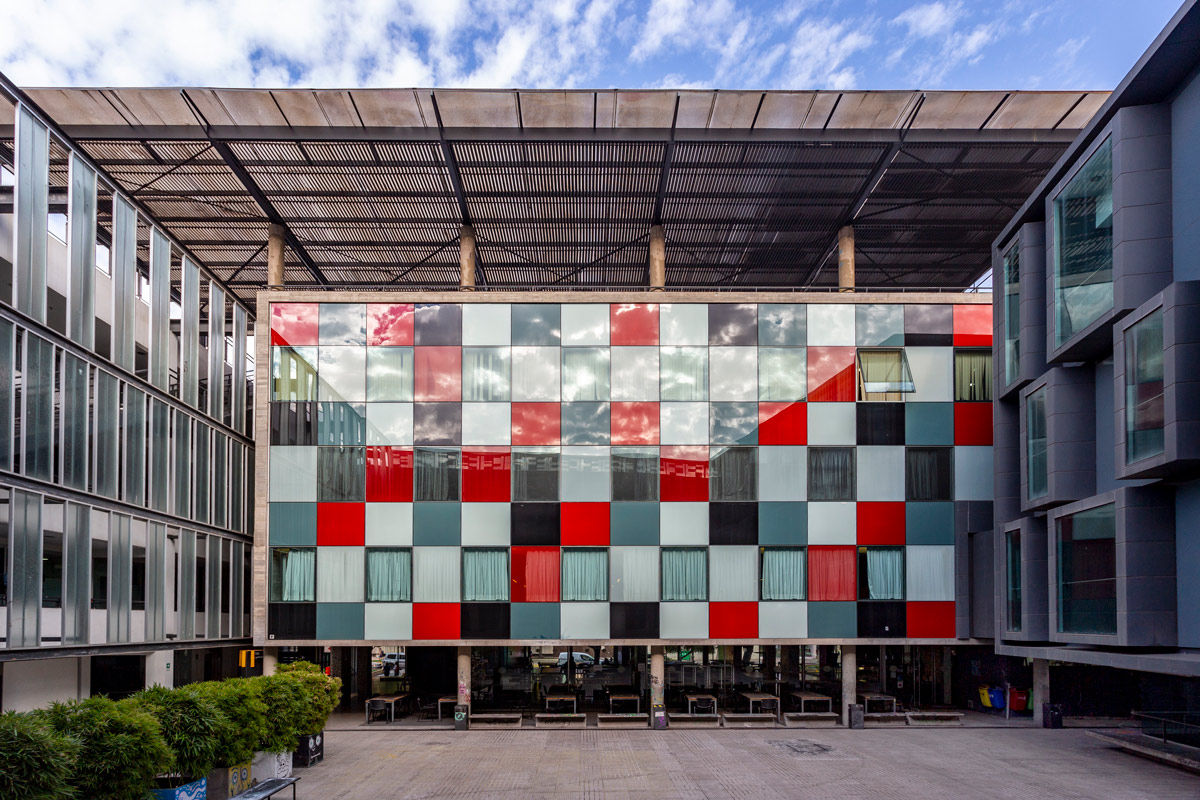
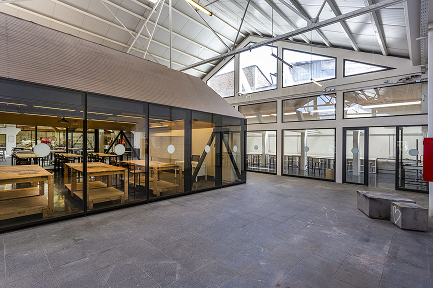


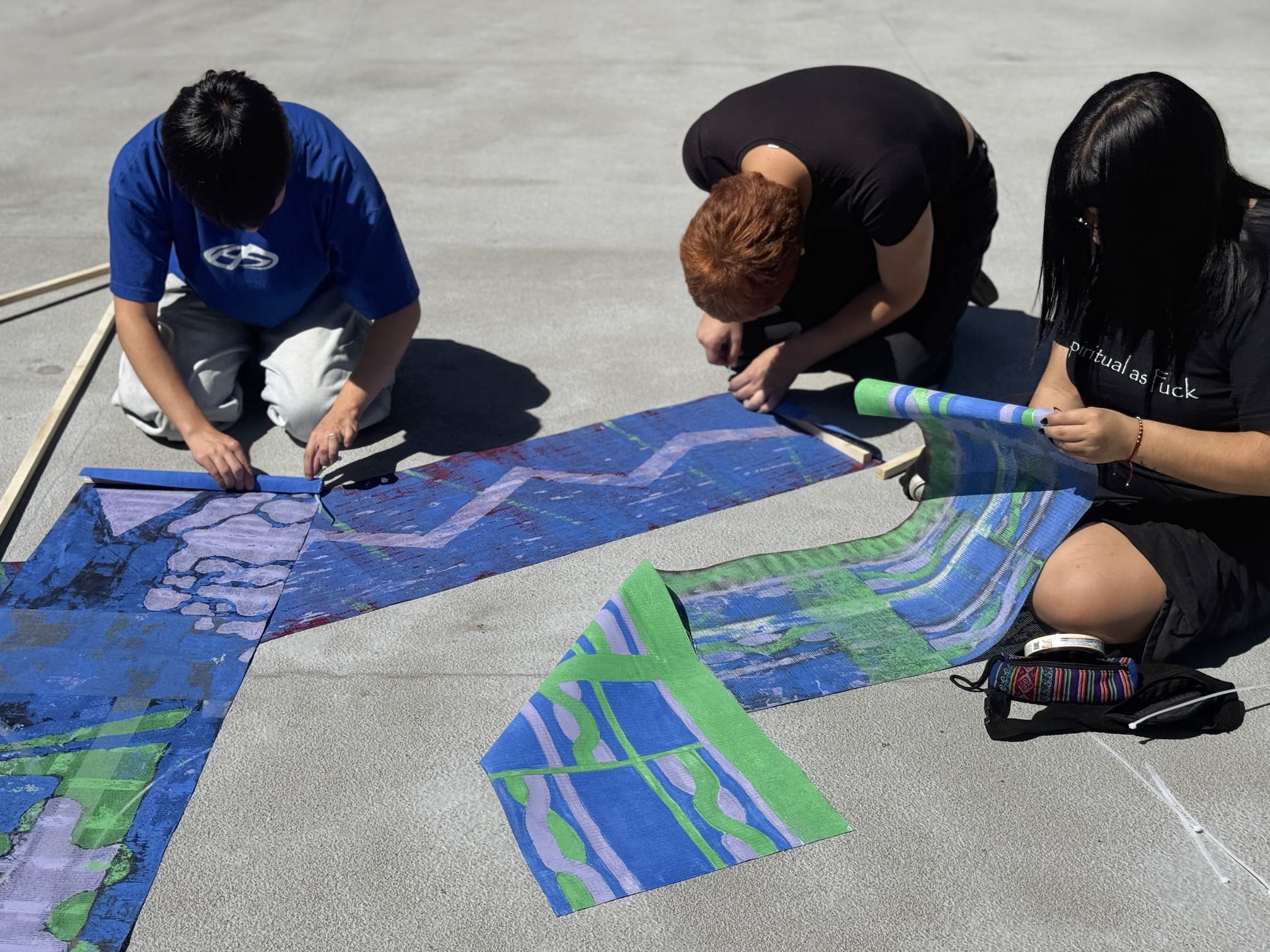
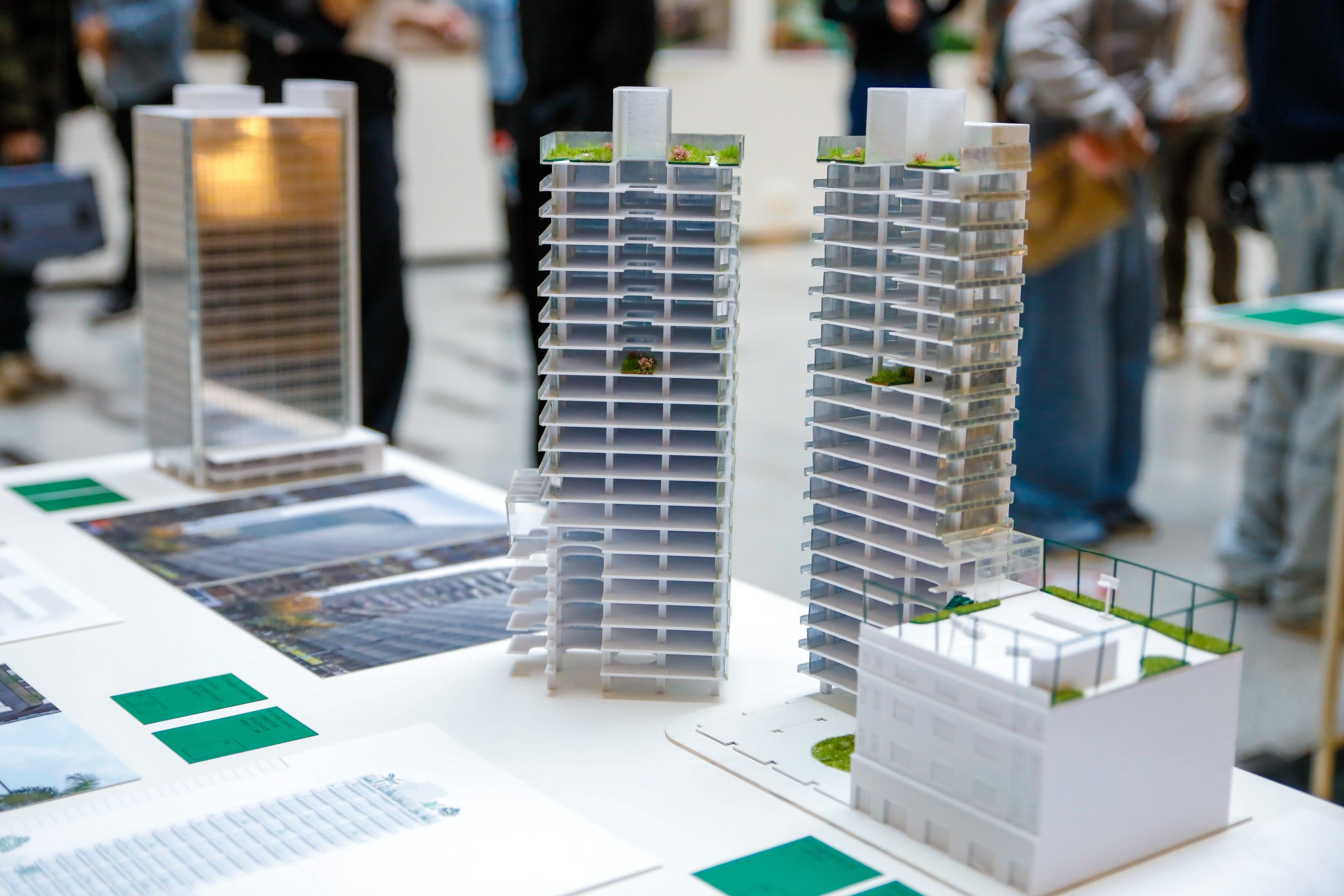


The work of Chilean architects oscillates between two seemingly antagonistic impulses: pushing outward and pulling inward. These opposing forces expand or contract the boundaries of architecture. Between their interior and exterior margins, the local scene is divided between practices that have shrunk the discipline into self-referential exercises – to the point of risking sociocultural insignificance – and those that have stretched and diverted it to serve other agendas, such as the social, the political, or the environmental – allowing architecture to be influenced, even subsumed by other realms. These centrifugal and centripetal movements have written a double story of fiction and friction; they have also created a fertile ground for experimentation and new practices that have deepened and widened disciplinary limits. Some of the works that cemented Chilean architecture’s international reputation belong to the first group: projects that test the discipline’s autonomy, focusing on architecture as a refined, selfcontained art form. Chile’s constitutional debates following the social uprising, in 2019, and an increasing awareness ofenvironmental crises brought to the surface since the pandemic have raised new, pressing questions over such modes of practice. In the face of our transformative moment, some previously celebrated works now seem conspicuously silent.


